

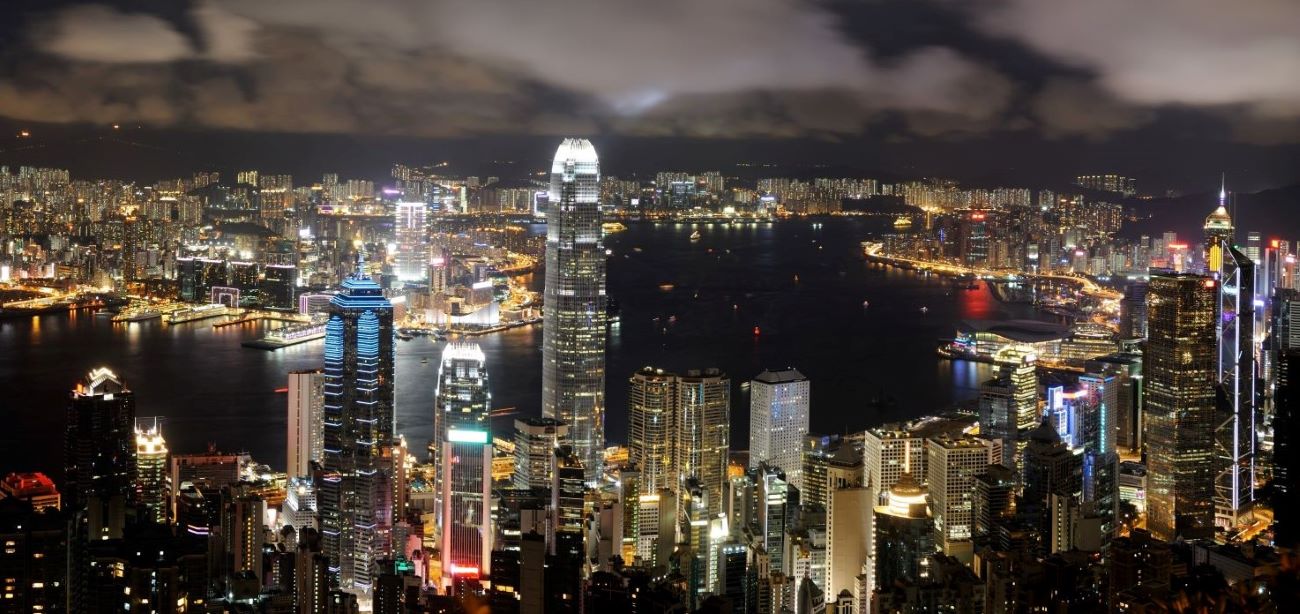
Hong Kong, 26 April 2023: It remains the finest light show on earth. Whether you are flying over the harbour, standing high up on a hiking trail or perched on a Peak apartment balcony, the night view of Hong Kong is truly breathtaking: this magical city gleaming in all its glory, charged with energy, vibrancy and can-do spirit.
If Hong Kong shines a little less brightly these days, it has much to do with our disappearing neon. Once a key component of our dazzling, high-rise cityscape – inspiration behind the setting for brooding, dystopian science fiction thriller Blade Runner – neon signs are now an endangered species. Tightened government safety regulations, the rise of LED technology and prohibitive costs have contributed to their slow demise. Some defiant businesses, determined to keep tradition alive, are prepared to pay a small fortune and complete piles of paperwork to install a new neon display, but they are in a tiny minority. The number of such signs has fallen from tens of thousands when I first arrived in 1981 to just a few hundred now.
The numbers are also dwindling, if not quite so alarmingly, among Hong Kong’s labour force. Last year, this city suffered the biggest drop in its working population since records began, losing more than 94,000 employees. The downward trend has been ongoing since the troubled year of 2019. In total, more than 220,000 individuals have left the labour market in the past four years. “Many of the people who were born in the 1960s, when Hong Kong was experiencing the post-war baby boom, have reached retirement age. Meanwhile, the city is also seeing many emigrate to other regions and countries,” explains Professor Paul Yip of the University of Hong Kong’s Faculty of Social Sciences.
Government statistics suggest there were 73,150 job vacancies in the private sector last December, a 20% increase over the preceding year. Education was the field most in need with 7,750 positions to be filled but could soon lose its “most desperate” title to the building sector. The Construction Industry Council has published a report forecasting a shortage of 15,000 workers next year.
What to do? “We have been like wringing a towel to extract as much water as possible to find out the potential labour force in Hong Kong,” laments Secretary for Labour and Welfare Chris Sun. The answer, our leaders believe, is to look overseas. Accordingly, the Legislative Council has overwhelmingly approved a controversial motion calling for the importation of mainland Chinese workers. Trade unions are firmly against this, even though the administration insists it will still give priority to residents when filling vacancies.
Of course, when seeking the green light for its policies, it helps our government that 89 of LegCo’s 90 seats are occupied by pro-establishment lawmakers. District Councils will soon follow suit. An official review into how these municipal-level bodies should function is almost complete, reveals Chief Executive John Lee, and he is adamant they must be “depoliticised” and administrative-led.
To understand our leader’s concern, rewind to the 2019 local elections, held amid anti-government protests, when a significant swing in the vote left 17 of this city’s 18 District Councils in opposition hands. Since then, Hong Kong has implemented an electoral overhaul and politics has changed immeasurably. Around two-thirds of those elected in the 2019 poll have either been disqualified or resigned over legal concerns.
Hence, the government is taking no chances. Future District Councils, we are told, will be composed solely of “patriots” and only one third of the seats will be chosen by the public. The rest will be appointed by district officers or picked by committees packed with pro-establishment figures. Democratic Party Chairman Lo Kin-hei laments the reduction in directly elected seats as “not ideal”.
Unionists, democrats, any other disgruntled citizens? Yes, school students, with Michelle Obama the unlikely object of their ire. Extracts from her best-selling memoir Becoming have been used in the English reading paper for this year’s university entrance exams and some find the test too tough. Scores of pupils have flocked to the former First Lady’s Instagram account to vent their anger, conduct which is decidedly unbecoming. “They should have worked on their reading skills before sitting the exam,” shrugs one tutor.
Never mind, rueful residents, you will soon be smiling again thanks to cheery Paul Chan. Making good on his budget promise, the Financial Secretary has just launched the government’s “Happy Hong Kong” campaign, designed to boost our mood and the city’s economy. It kicks off with cheap cinema tickets and food markets, while a series of carnivals with music and performances will be held in the summer. What’s not to like?
Yes, my friends, we may be living amid labour gloom and fading neon, but our leaders are doing their best to help us look on the bright side.
Until next time, everybody!
Colin Cohen
Senior Partner
Boase Cohen & Collins