

By Arthur Chan
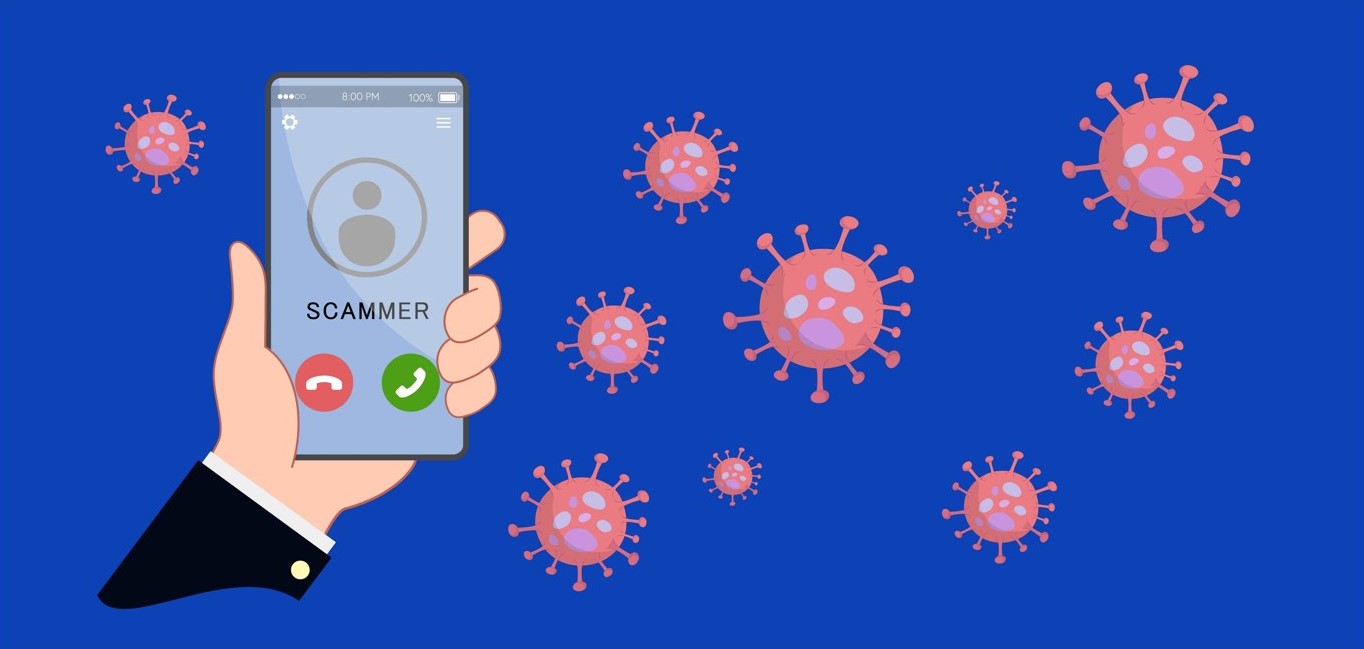
Hong Kong, 29 September 2022: Ingenious fraudsters are continuing to cash in on Hong Kong’s anti-pandemic efforts, preying on the public’s fears about Covid-19 to find new ways of gaining illegal access to funds. Despite numerous warnings from the police, health officials and government departments, unfortunate citizens are still being duped on a large scale.
Police have reported a 60% rise in telephone scams during the first seven months of this year compared with the same period in 2021. The force was notified of 956 cases of telephone fraud between January and July this year. Well over half of these involved impersonation of health officials or other government workers, with victims in such cases losing a total of HK$450 million.
Typical scams
Most of the Covid-related telephone scams concern vaccination, contact tracing or quarantine arrangements. Recent examples include:
- A pre-recorded message claiming the victim cannot receive another vaccination dose because there was an error in their information during previous jabs. They are asked to submit personal data in order to be “eligible” for another dose.
- A WhatsApp message telling the victim they are suspected to be a close contact of a confirmed case. Again, they are asked to divulge sensitive information.
- Someone claiming to be from a courier company calling the victim to inform them their parcel has been retained under Covid restrictions and they must hand over personal information before it can be delivered.
- The “bluff and help” tactic, in which a victim is accused by a bogus health official of breaking a Covid regulation and is told they can get off of the hook by transferring money into a designated account.
The government’s consumption voucher scheme has also been targeted, with police receiving dozens of complaints from citizens who have been scammed out of their payouts. Fraudsters obtain the personal information of the victims, including a copy of their ID card, change the receiving account and divert the voucher to themselves.
As well, banks are also in the firing line. Fraudsters have used fake documents to take out government-guaranteed bank loans designed to support Covid-hit businesses. In some cases, suspects have exaggerated the number of employees and their salaries by using information on former workers to open new MPF accounts. Other times, scammers have set up shell companies and submitted falsified documents to banks.
Online scams have become so prevalent that the Office of the Privacy Commissioner for Personal Data has recently launched a fraud prevention hotline – 3423-6611 – for the public to report suspicious emails, calls or text messages. The office said it had received 386 enquiries this year about the use of personal data for fraudulent purposes. Typically, scammers will impersonate an official of the Centre for Health Protection, a mainland law enforcement officer or a courier company employee in an effort to obtain data, according to the Privacy Commissioner.
Staying alert
Be aware that health authorities or law enforcement officers will never ask the public to provide any sensitive or finance-related data. Neither will they use pre-recorded messages in their calls. Here are some basic guidelines for protecting yourself during the ongoing public health situation:
- Report any unsolicited email or telephone requests purporting to be from government officials, security agencies or banks asking for personal information.
- Never divulge your personal information.
- Look out for fake internet domain names and websites that closely resemble those of official organisations.
- Be wary of generic emails that do not address you personally or which contain spelling, punctuation or grammatical errors.
- Do not click on links or open email attachments from unknown or unverified sources.
- Review your online security – use anti-virus software and ensure your passwords remain confidential.
Should you fall victim to a deception, you should report it immediately to the police, your bank, your legal representative and any other relevant authority. There are ways to recover lost funds through legal action but, when it comes to fraud, prevention is far better than cure.
Conclusion
Covid-19 has increased citizens’ concerns about health, job security, finances and many related issues. As well, people are spending far more time online. Isolation and remote working have made us more vulnerable to deception. As Hong Kong slowly emerges from pandemic restrictions and returns to normality, it is not the time to let our guard down.
Arthur Chan is a Senior Associate with BC&C. He deals with Criminal Matters while also covering Civil and Commercial Litigation and handles cases involving personal injury and employment issues. He can be contacted at Arthur@boasecohencollins.com.