Hong Kong, 18 January 2023: “You do things and do things and nobody really has a clue.” So opines novelist John Updike in the first volume of his feted Rabbit tetralogy chronicling the mundane life of fictional post-war American everyman Harry “Rabbit” Angstrom. As our government continues to impose its science-denying mask mandate, wonders what to do with redundant (in some cases, never used) Covid isolation facilities containing 40,000 beds, and barely bats an eyelid over another survey highlighting the mental and physical stress caused by this city’s previously draconian anti-pandemic policies, Updike’s withering observation seems particularly apt.
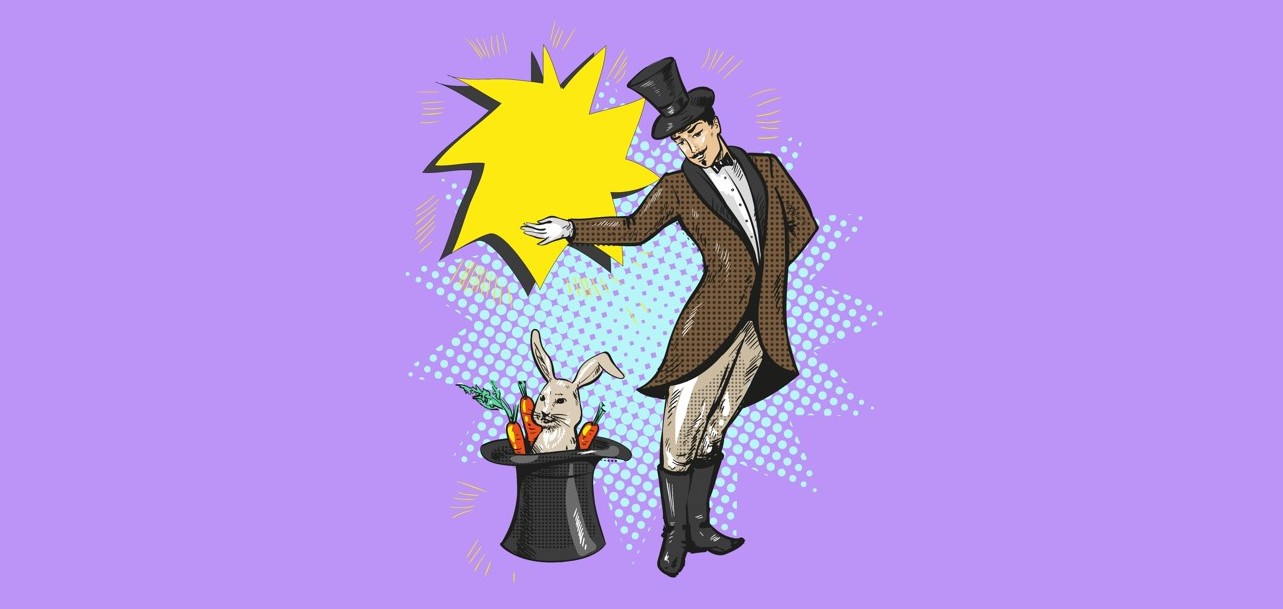
It also brings us neatly to the impending Year of the Rabbit. Updike’s celebrated series covers some 30 years of Angstrom’s underwhelming existence. Hong Kong’s protracted public health crisis has lasted just a tenth of that – through Years of the Rat, Ox and Tiger – but it feels like eons. As we approach our fourth Covid-constricted Chinese New Year, looking forward to the traditional firecrackers, lion dances and lai see, will our leaders finally – Hey, presto! – pull a rabbit from the hat and drop all remaining restrictions?
While, hearteningly, we are seeing green shoots of recovery, reminders of Hong Kong’s disastrous dynamic zero Covid strategy lie scattered around us: the shuttered shops, bankrupted businesses, underutilised airport and, not least, the 72 hectares (about 86 football fields) of idle isolation camps built at staggering cost during the panicked response to last year’s fifth wave of infections. Only two facilities – Kai Tak and Penny’s Bay – are still being used, the remaining seven being in “standby mode” according to the Security Bureau, which manages them. The centres include a temporary hospital in Lok Ma Chau which has never been used. What to do with this herd of white elephants? Suggestions range from temporary housing or workers’ dormitories to healthcare training centres. Clearly, any solution will require imagination and creativity. Oh, wait.
Past policy decisions have taken their toll on all age groups, with millennials particularly affected. A survey of citizens aged 25 to 40 reveals 86% have experienced physical issues such as shoulder, neck and back pain, plus sleeping problems, while 30% have encountered mental health difficulties, including anxiety and depression. Commissioned by medical insurance firm Bupa, the poll shows about 60% of all psychological counselling claims are being made by millennials, three times higher than any other age group.
Let’s be thankful for small mercies, then. Pandemic-weary citizens can finally consign the widely derided LeaveHomeSafe app to the digital dustbin. Introduced in November 2020 as a contact tracing tool, then upgraded to contain individual vaccination histories, with its use mandatory for entry to bars, restaurants and countless other types of public venues, the government has confirmed the app is now defunct. All data in the system has been deleted, we are assured. LeaveHomeSafe “has completed its historical mission”, notes Secretary for Innovation, Technology and Industry Sun Dong, almost wistfully. We won’t miss it.
Being fair to Chief Executive John Lee, most of our city’s pandemic hot potatoes were passed to him by the flip-flopping, ad-libbing administration of predecessor Carrie Lam. (Compulsory universal testing, anyone?) Since taking office on 1 July last year, he has methodically dismantled almost all of the labyrinth laws, too slowly for some, but always travelling in the right direction. Carrie, lest we forget, led us around in circles. Should we – dare we – be optimistic? “Yes!” bellows our leader. He has just farewelled 12 civil servants on an overseas exchange progamme to work at the United Nations’ offices in New York, Geneva and Vienna, encouraging them to spread the word about our city’s resurgence: “Tell your new friends about the charm and competitiveness of a vitalised Hong Kong.” He’s nothing if not bullish.
So, too, is the Hong Kong Tourism Board, which plans to offer visitors vouchers which they can redeem for transport, meals and goods at designated shops and restaurants as part of a HK$100 million (US$12.8 million) campaign to lure back tourists. It will also hand out 500,000 air tickets worth HK$2 billion (US$250 million) courtesy of the Airport Authority. Further, tourism chiefs are staging an 18-day Chinese New Year mega-event along Victoria Harbour, with giant rabbit installations, artwork and other attractions, for the benefit of visitors and residents alike.
This renewed enthusiasm comes amid signs that tourism is picking up, even before the recent resumption of quarantine-free travel – albeit it with quotas and testing requirements – between Hong Kong and the Mainland. New figures from the Tourism Board show the number of visitors in 2022 rose more than sixfold to 600,000 from the year before. Still a tiny fraction of the 56 million who arrived in 2019, but progress, nonetheless.
However, even the loudest cheerleaders for our city’s rebound have to admit the mask mandate is a turn-off for some tourists, not to mention many residents. John Lee plans to end it this quarter. In the Year of the Rabbit, let’s hope he hops to it.
Stay safe and well, everybody!
Colin Cohen
Senior Partner
Boase Cohen & Collins