
By Alex Liu
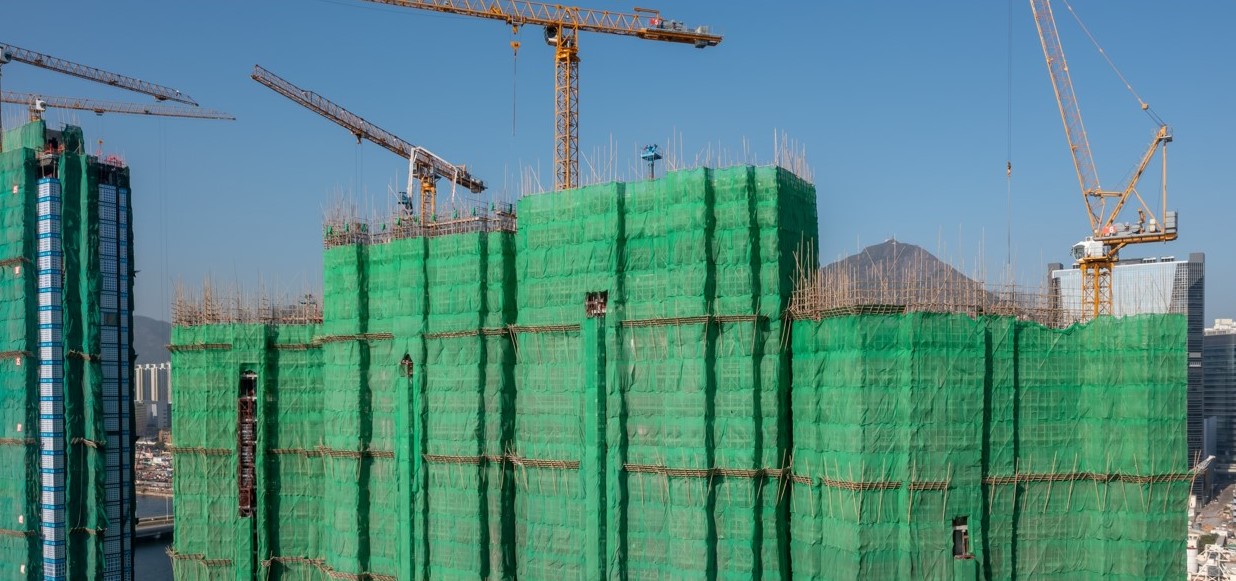
Hong Kong, 7 June 2024: Legislation that clamps down on improper payment practices in the construction industry – a problem which has existed for years – is in the pipeline. The new regulations will have a major impact on administration of contracts, how stakeholders are paid and the way in which disputes are resolved.
The Construction Industry Security of Payment Bill has had its first reading in the Legislative Council and the resulting ordinance is expected to come into force in the first half of 2025. It is being widely welcomed across the sector.
Construction projects are notable for the vast array of professions and trades involved, meaning there are multiple contractors, subcontractors and suppliers providing goods and services. If a party delays in payment, it imposes financial pressure on others in the chain, especially small and medium-sized businesses which often rely on steady cash flows to stay afloat. Late payment issues may also lead to project delays and disruptions, together with wage arrears for workers.
The Bill seeks to combat late payments, establish a dispute resolution regime and give unpaid parties to the right to take effective action. The key provisions are as follows:
Improvement of contractual payment terms: This will prohibit the use of unfair payment arrangements, such as “pay when paid” and “pay if paid”, and impose deadlines for monies that are owed to be handed over. The measure prevents contractors from withholding payments to their subcontractors on the basis that they themselves have not been paid.
Introduction of adjudication mechanism: In the event of a payment dispute, it can be settled through an independent adjudicator who must reach a decision within 55 days of being appointed. Both parties will still have the right to resort to litigation or arbitration.
Suspension or slowing down progress: Any party still awaiting payment after the deadline, or after the adjudicator has issued a decision, is entitled to suspend or slow down work or services.
The legislation will be binding, meaning parties entering into applicable construction contracts cannot opt out. In addition, there will be provisions governing so-called progress payments, thereby encouraging the industry to proactively assess claims as they arise rather than at the end of a project. Adjudicators will be chosen by government-approved nominating bodies.
The Bill applies to both public and private works where the main contract value is not less than HK$5 million or not less than HK$500,000 for related goods and services. However, it will not be enforced with regard to works on existing private residential buildings, such as interior renovations or maintenance, or for relatively minor works on existing private non-residential premises.
In drafting the legislation, the Development Bureau says it has consulted various stakeholders in the construction industry, reaching a broad consensus, and that there is a general desire for speedy implementation.
In conclusion, it is clear that the Bill will transform the contracting landscape in Hong Kong’s construction sector. As such, all stakeholders are advised to start reviewing their contracting and payment policies in readiness. Here at BC&C, we have extensive experience in dispute resolution, commercial contracts and labour issues, and are ready to assist.
Alex Liu is Managing Partner of BC&C. His key areas of practice include commercial and corporate litigation, investigations by governmental bodies such as the SFC, ICAC and Commercial Crime Bureau, insolvency and debt restructuring, intellectual property and employment matters. He can be contacted at alex@boasecohencollins.com.