
By Jeffrey Chan
Hong Kong, 17 February 2022: Rapid development of the Greater Bay Area is presenting new challenges and opportunities for Hong Kong insurers, particularly with regard to motoring policies.
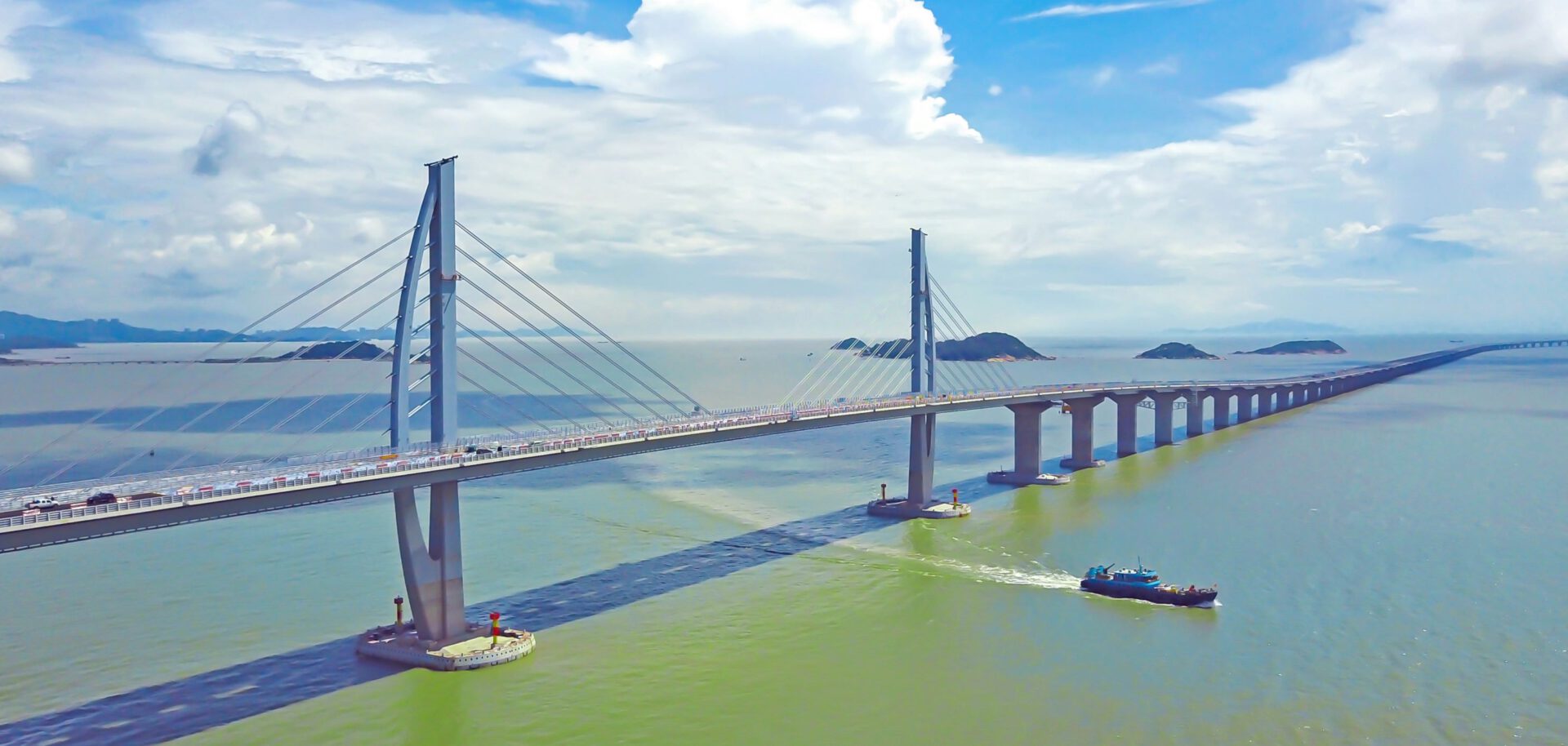
Cross-boundary traffic is expected to increase after the Covid-19 pandemic as authorities on both sides of the border finalise a quota-free scheme for private vehicles travelling to Guangdong via the Hong Kong-Zhuhai-Macao Bridge (HZMB). Crucially, this scheme will work alongside new regulations that will enable Hong Kong motoring insurers to extend their policies to cover liability across the border.
Further, as my colleague Alex Liu recently explained, there is forthcoming legislation for reciprocal recognition and enforcement of judgments (REJ) in civil and commercial matters. The new law will reduce the need for re-litigation of the same disputes in both places and offer better protection to parties’ interests.
Combined, the latest developments effectively mean Hong Kong insurers will be able to offer third-party insurance for vehicles and drivers covering both jurisdictions in the knowledge that any resulting claims and disputes can be settled more efficiently.
Cross-boundary traffic
At present, about 80,000 cross-boundary vehicles from Hong Kong, Guangdong and Macao – including private and hire cars, Hong Kong Port shuttle buses, coaches and goods vehicles – are eligible to use the HZMB, which has been in use since 2018. For private cars in Hong Kong, a so-called regular quota is generally required before they can travel to Guangdong. The eligibility criteria for a regular quota are laid down by the Guangdong government, such as accumulating a certain amount of tax payment or donations.
Under the new scheme, Hong Kong residents will be allowed to drive their cars to Guangdong via the HZMB for business, visiting families or sight-seeing on a short-term basis without a quota. Once the scheme is running smoothly, authorities on both sides will seek to expand it to a land boundary control point between Hong Kong and Shenzhen, thereby allowing private cars to travel to both eastern and western Guangdong without a quota.
The laws of Hong Kong, Macao and the Mainland stipulate that all car owners and/or drivers must have valid statutory motor insurance cover. Currently, however, the three jurisdictions only accept policies issued by their own insurers, there is no single policy that complies with the legal requirements of all three jurisdictions. Under present arrangements, Hong Kong drivers can secure Mainland and Macao motor insurance – that is, policies supplied by insurers in those jurisdictions – through a one-stop service provided by Hong Kong insurers.
New insurance regime
This will change with the “unilateral recognition” arrangement between Hong Kong and the Mainland under which local insurers will be able to extend their policies to cover third-party liability in the Mainland. The level of premium will be determined by the relevant insurers on their own as in the current one-stop service.
Other points to note about the quota-free scheme include:
- Participants will be able to stay in the Mainland for 30 consecutive days maximum and no more than a total of 180 days in a year.
- They will, of course, need valid ID documents for entry to the Mainland as well as driving licences for both jurisdictions.
- The scheme will be limited to vehicles with a maximum of eight seats (including driver) and the relevant vehicle licences/permits, including a Closed Road Permit (necessary for driving between Hong Kong and Mainland border control points), will be required.
In extending their policies, Hong Kong insurance companies will need to consider multiple factors. Firstly, there are the differences in law between the two jurisdictions regarding determination of civil liability and quantification of damages. Secondly, given the extended geographical area and more uncertain operating environment, their risk exposure is increased.
REJ arrangement
Such concerns will be eased by the impending REJ between Hong Kong and the Mainland which should ensure smoother and more efficient settlement of disputes. The Department of Justice has recently concluded a public consultation and the ensuing legislation – the Mainland Judgments in Civil and Commercial Matters (Reciprocal Enforcement) Bill – is due to be discussed by the Legislative Council this year.
Under the proposals, a Mainland judgment in a civil or commercial matter can be registered with the Court of First Instance in Hong Kong. Subject to certain restrictions, the proposed legislative scheme covers both monetary (excluding punitive or exemplary damages) and non-monetary relief. Further, a registered judgment may be enforced in the same way as if it were a judgment originally given by the CFI. The scheme also empowers the courts here to issue certified copies of, and certificates for, such Hong Kong judgments.
Summary
Taken together, the quota-free scheme for private vehicles, “unilateral recognition” arrangement for motor insurance and the REJ legislation present an exciting new business opportunity for Hong Kong insurers. This progress is further strengthened by the Greater Bay Area’s accelerated development and increased emphasis on cross-border mobility.
A Partner in BC&C since 2015, Jeffrey Chan practices all areas of Civil Litigation, with a particular emphasis on personal injuries and property damage claims, employees’ compensation legislation and insurance related disputes. He can be contacted at jeffrey@boasecohencollins.com.