By Claire Chow
Hong Kong, 10 November 2023: A city-wide ban on disposable plastic tableware in restaurants will commence on the next Earth Day – 22 April 2024 – the government has confirmed. The move is the first phase of a drive to ban single-use plastic throughout the city, with the second phase tentatively scheduled for 2025.
The ban comes as a result of the Product Eco-responsibility (Amendment) Bill 2023 which was approved by the Legislative Council last month. The new laws are expected to have a far-reaching impact not only on the catering industry, but also citizens’ daily habits. To illustrate the scale of the issue, environmentalists have pointed out that Hong Kong disposes of 11,000 tonnes of waste in landfills daily, with 21% of this comprising plastic items.
Secretary for Environment and Ecology Tse Chin-wan has predicted the authorities will mostly issue warnings to offenders in the first two months of the ban, but will then move to enforcement action. The government has also pledged to carry out publicity and education work before the commencement date to let all sectors of society understand their obligations. As well, the Environmental Protection Department (EPD) will set up a telephone hotline to deal with public inquiries and complaints.
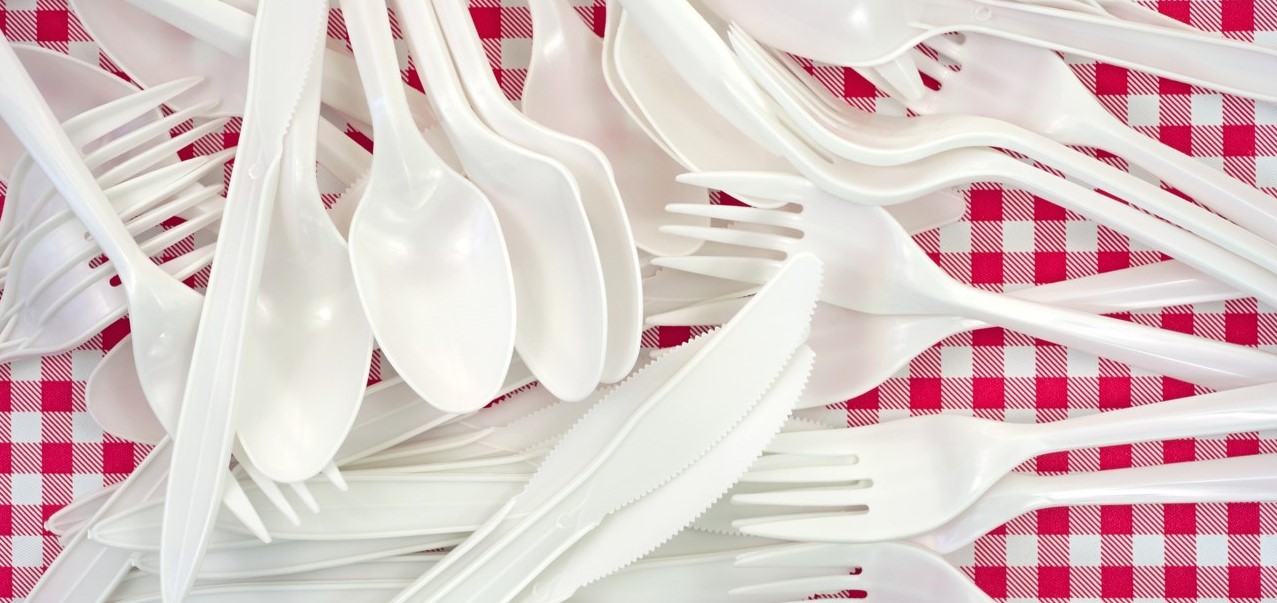
The ban comes in two phases. The first will prohibit the sale and distribution of disposable plastic tableware, such as expanded polystyrene containers, plastic straws, stirrers and cutlery. Restaurants will not be allowed to offer them to customers whether they are dining in or collecting a takeaway. It also includes non-catering products that have non-plastic alternatives, such as cotton buds, umbrella covers and glow sticks. In addition, hotels and guest houses will be barred from supplying toiletries in synthetic disposable containers and free in-room water in plastic bottles.
Phase two will outlaw plastic food containers and the free distribution of products such as plastic-stemmed dental floss and earplugs. The government has yet to state exactly when this ban will kick in, reasoning it depends on the “availability and affordability” of non-plastic alternatives, a decision criticised by green groups for allowing policy to be led by market conditions rather than environmental targets.
For the past year, the Green Tableware online platform – commissioned by the EPD and set up by the Hong Kong Quality Assurance Agency – has assisted the F&B trade and public in providing information about where to find non-plastic tableware. Currently, it lists more than 400 products, typically made from wood, bamboo, paper, sugar cane pulp or plant cellulose. The website also provides information on tableware rental and cleaning services to encourage restaurants to adopt reusable tableware and further reduce waste.
The first phase of the plastics ban is not the only environmental change citizens will face in April next year. On the first day of that month, the administration’s previously delayed solid waste-charging scheme will commence. This will see the public compelled to buy government-designated plastic bags, which will come in nine sizes, with each litre of capacity priced at 11 HK cents. There will be a six-month grace period after this regulation comes into force.
The measures form part of the government’s drive to reduce waste, a key component of its ambitious Climate Action Plan 2050 unveiled to great fanfare two years ago. The authorities have pledged to develop adequate waste-to-energy facilities by 2035, so as to move away from reliance on landfills for municipal waste disposal. The plan also includes targets for net-zero electricity generation, green buildings, and transforming the public transport sector through electrification of vehicles and ferries.
Many of these measures are years, if not decades away. In the shorter term, the impending single-use plastics ban is going to demand some immediate changes in environmental awareness and behaviour among Hong Kong’s catering sector and general public.
Claire Chow is an Associate with BC&C, having joined the firm in 2019. She covers a broad range of practice areas including Civil and Commercial Litigation, and Judicial Review. She can be contacted at Claire@boasecohencollins.com.