

Hong Kong, 17 December 2025: Several years ago, Indian handwash brand Godrej Protekt did a marketing stunt, putting up “Do Not Touch” signs next to a variety of outdoor objects – a just-painted park bench, dust-covered old car etc – and secretly videoing kids’ reactions. Of course, the curious youngsters did exactly what they were told not to and got their hands dirty. Scientists call it reactance theory, AKA reverse psychology. First identified by American professor Jack Brehm almost 60 years ago, it is the motivation to regain a freedom after it has been lost. Rebellious teenagers are most prone to it.
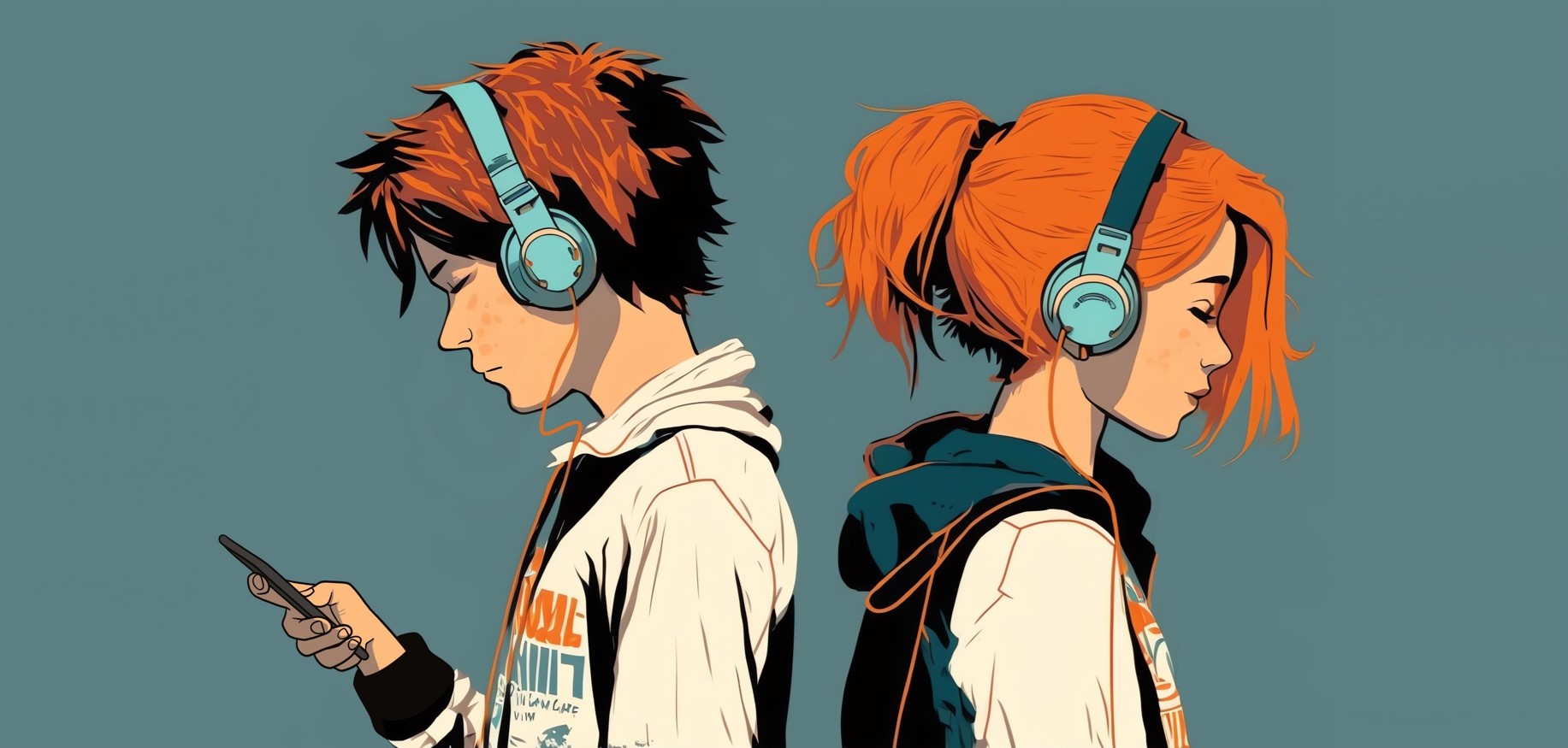
Hence, sulk-o-meter readings are off the scale in Australia where young people have just been banned from accessing social media. The landmark new law, which mandates 10 social network platforms to bar citizens under 16 from having accounts, is justified by campaigners and the government as protecting children from harmful content and algorithms. Opponents argue it robs young people of connection and risks sending them to other, less safe spaces on the internet.
The fallout has been seismic. Two 15-year-olds from New South Wales have launched a legal challenge, insisting the ban is unconstitutional. “Democracy doesn’t start at 16 as this law says it will,” says one, Macey Newland. Reddit, one of the targeted platforms, has also begun legal proceedings. Communications minister Anika Wells shrugs this off, vowing: “We will not be intimidated by big tech.” Fine, but will it work? Australia is about to experience reverse psychology overload as countless ingenious kids devise ways to circumvent the ban. The world is watching with interest.
Our city has no appetite to follow suit. Hong Kong Association for Computer Education adviser and secondary school principal Kan Wai-hung calls Australia’s ban “drastic and disproportionate”. Mental health specialist Professor Paul Yip prefers education over enforcement, arguing: “We cannot simply take away social media from students’ lives. We need to promote a healthy and balanced use of digital devices and provide them with healthier alternatives as well.”
Even so, there are growing concerns over the amount of time Hong Kong youngsters spend on their smartphones. Latest Department of Health figures reveal more than 60% of students exceed two hours of daily usage for entertainment purposes. “The situation is quite worrying,” observes community medicine consultant Dr Chuang Shuk-kwan, who points to increasing myopia among children. The figures also show child obesity remains an issue while 90% of students fail to exercise for at least an hour a day. Health minister Lo Chung-mau dismisses the idea of legislation to limit juvenile screentime, however, pointing out electronic devices are an important learning tool.
City leader John Lee has pledged a review of existing guidelines on screentime as part of measures to combat mental health problems. This cannot happen soon enough for Look Up Hong Kong, which is campaigning for parents to delay giving their children smartphones until the age of 14 and deny access to social media until they are 16. The NGO has released a survey showing 52% of our city’s children aged 6-10 already own such a device. Further, parents admit to struggling with their own smartphone obsession. “They are seeing the impact social media is having on their own health, they don’t want the same for their kids,” says founder Robert Broad.
Cyberbullying, grooming, depression, sleep deprivation … are there any other societal ills we can blame on digital platforms? Yes, air rage. I have previously detailed various unsavoury episodes of mid-flight madness, but the trend continues and media are asking why. Sure, lack of legroom, dehydration and alcohol all play their part, but viral videos fuel a “copycat effect” in which people imitate disruptive behaviour they see online, opines clinical psychologist Amos Cheung.
Still, social media does bring benefits which our government is keen to embrace. Tourism minister Rosanna Law acknowledges that hundreds of “key opinion leaders” are invited to our city each year to “tell the world the good stories of Hong Kong through their first-hand travel experiences”. In 2024, some 620 such influencers with a combined audience of 380 million people dropped by. In deciding who to invite, the Hong Kong Tourism Board weighs size of fanbase, post engagement rate, professional image and source markets. This strategy helps explain the latest impressive tourism numbers: 4.2 million visitors in November, a 17% rise on the same month last year.
The online discourse about Hong Kong includes, of course, our Law & More podcast. The two most recent editions feature a pair of distinguished lawyers, Julia Charlton and Bill Ricquier, who each reflect on their careers, current legal issues and personal interests. In Bill’s case, we share a devotion to cricket and he is the author of several notable books on the topic. Please listen.
In closing, I should mention that Hong Kong’s Consumer Council has published a new survey slamming driving schools over lack of transparency and hidden charges, meaning wannabe motorists are often forced to go over budget in pursuit of their licence. One outfit charged a client nearly twice its quoted rate for extra lessons to meet the minimum number of training hours. “The current situation is not ideal,” confirms watchdog chief Alaina Shum, calling for a standardised fee disclosure policy.
The hard-hitting report makes it tough for driving schools to regain consumer trust. How to entice new learners to get behind the wheel? Perhaps they can try reverse psychology.
Until next time, everybody!
Colin Cohen
Senior Partner
Boase Cohen & Collins