By Susan Cheung and April Kong
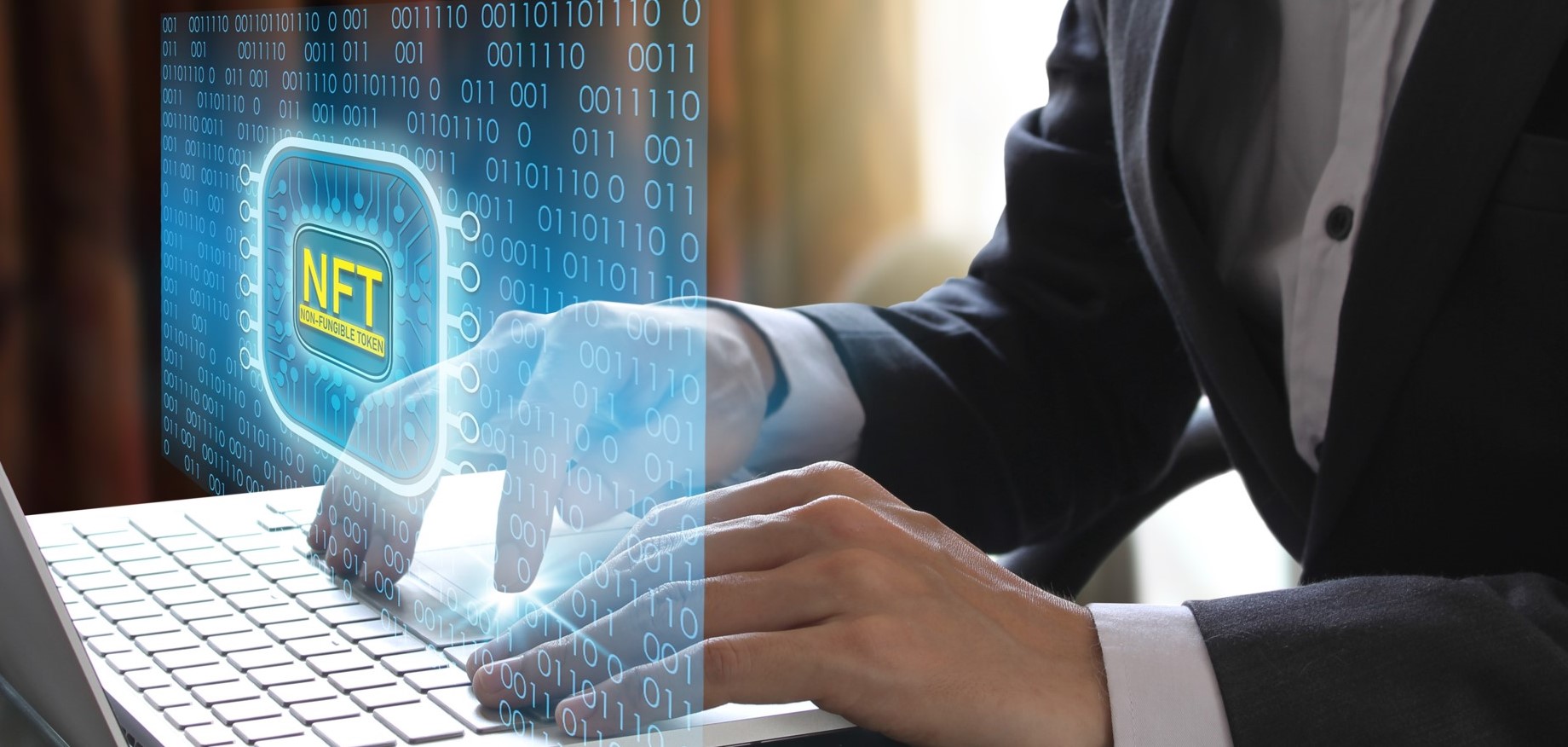
Hong Kong, 4 October 2021: Intellectual property is one of the most dynamic and fluid practice areas in the legal profession and nowhere is this better illustrated than in the rapidly growing and highly lucrative world of non-fungible tokens (NFTs).
With the NFT global market now generating billions of US dollars, these new forms of digital asset have gone mainstream and, particularly, mark a fresh development in the way artists can promote and sell their works. But legal professionals are grappling with issues surrounding this new phenomenon and copyright law.
What are NFTs?
First, we need to understand what is fungible and what isn’t. Items that are fungible can be substituted or exchanged for similar ones. For example, a HK$20 banknote can be exchanged for any other HK$20 note (or, indeed, two HK$10 notes) because they have identical value. Ditto company shares or commodities.
On the other hand, a movie ticket is non-fungible in that it specifically states the film, date and time, cinema and seat number. It is unique. Diamonds, land, houses, these are all non-fungible assets because they each have their individual qualities.
NFTs have grown out of blockchain technology. A blockchain is an expanding list of records, divided into “blocks”, that are linked together using cryptography. This results in a shared, immutable ledger that records transactions and tracks assets. The information it provides is immediate and transparent to those with access.
NFTs are cryptographic assets on a blockchain with unique identification codes and metadata that distinguish them from each other. Hence, each NFT has a particular value and only one owner. Much of the NFT market revolves around digital art, but NFTs can include videos, sports highlights, GIFs, video game items, music and writing.
Lucrative market
Last March, an NFT of a digital artwork, “Everydays: The First 5000 Days” by American digital artist and graphic designer Michael Winkelmann, known professionally as Beeple, was sold by auction house Christie’s for almost US$70 million. In the same month, Twitter founder and CEO Jack Dorsey sold an NFT of his first tweet – which simply read “just setting up my twttr” for US$2.9 million.
Online trading platform OpenSea, the most popular peer-to-peer marketplace for crypto collectibles and non-fungible tokens, processed more than US$3 billion in NFT-related transactions in August alone.
Sports organisations are getting in on the act. The National Basketball Association in the US launched Top Shot “digital collectibles” in October last year. Within eight months it reached a million users and notched more than US$700 million in sales. A video clip of superstar LeBron James scoring a single-handed dunk sold for more than US$200,000. The company behind Top Shot, Dapper Labs, is now valued at more than US$7.5 billion.
NFTs and copyright
As you would expect, there is no legislation in Hong Kong that specifically targets NFTs. However, since they represent digital content, they fall under the Copyright Ordinance (Cap. 528) as the work is:
- Original (s. 2(1)(a));
- Recorded, in writing or otherwise (s. 4(2)):
- “Writing” includes any form of notation or code, whether by hand or otherwise and regardless of the method by which, or medium in or on which, it is recorded, and written is construed accordingly (s. 177).
- Falls within any of the following descriptions of work (s. 2(1)):
- Literary, dramatic, musical or artistic works;
- Sound recordings, films, broadcasts or cable programmes; or
- The typographical arrangement of published editions; and
- Created by an author who satisfies the qualification requirements; or is published in Hong Kong or elsewhere; or in the case of a broadcast or cable programme, is made or sent from Hong Kong or elsewhere.
Generally, the purchase of an NFT only grants the ownership of the NFT itself, that is, a unique version of a work. It does not give the buyer a proprietary right to every copy or version of the underlying work or, of course, the original underlying work itself.
Challenges and complications
Given the unique form of NFTs, they do throw up issues regarding intellectual property (IP) protection and licensing strategies. Moving forward, IP owners may seek specific NFT protections in their agreements when licensing, granting or transferring rights. Trademark owners should be aware of their brand name or logo being used in an NFT. Further, NFT creators need to be mindful of potential infringement concerns, given that they may be creating digital versions of a work without permission from the underlying rights holder. These issues are amplified by the considerable sums involved.
Summary
While it is still new and highly speculative, the NFT market does present IP owners with fresh opportunities to capitalise on their portfolios. In this context, it is essential that they learn the pros and cons of blockchain technology and take adequate steps to ensure their rights are properly enforced. They are strongly advised to seek advice from an IP legal professional to reduce the risk of their portfolios being improperly exploited.
Susan Cheung, a Partner in BC&C since 2016, heads the firm’s growing Intellectual Property practice, where she focuses on trademarks, designs, patents and copyright, while she also handles civil and commercial litigation, information technology matters and trade secrets. She can be contacted at susan@boasecohencollins.com.
April Kong is an Associate with BC&C. Her main practice areas include both contentious and non-contentious probate and estate administration matters, mentally incapacitated persons matters, and intellectual property matters, while she also has extensive experience in civil & commercial litigation, and matrimonial practice. She can be contacted at April@boasecohencollins.com.