

By Erica Chong
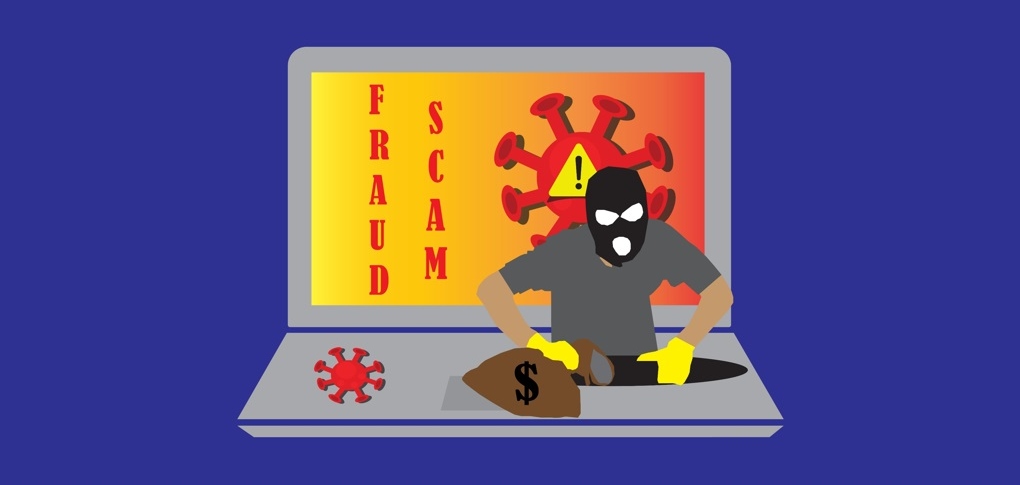
Hong Kong, 22 February 2021: Coronavirus fraud is spreading almost as fast as the virus itself. The prevalence, range and complexity of scams arising from the pandemic is truly astonishing. Fraudsters have been nothing if not ingenious and resourceful in cashing in on the global crisis.
The media is awash with alarming statistics about criminal activity. A report in the South China Morning Post last week revealed that more than HK$8.33 billion (around US$1.07 billion) of fraudulent money was laundered through thousands of Hong Kong bank accounts last year.
The money came from a wide range of deceptions, including online romance scams, commercial email fraud, investment rip-offs and phone swindles, according to the report. It said that in one instance, a US-based company was conned into transferring US$60 million into a Hong Kong bank account before police stepped in and intercepted the transaction.
The increase in fraud, both in Hong Kong and overseas, is no accident. A significant proportion of deceptions can be attributed, either directly or indirectly, to Covid-19.
Remote working has provided scammers with a huge window of opportunity. With the global shift towards working from home, many employers have been playing catch-up in their attempts to strengthen their cybersecurity. Often, staff are using vulnerable home IT systems with insecure internet connections, presenting fraudsters with the chance to steal funds or access confidential information.
Thieves have reacted promptly to the fact people are more isolated and spending a greater part of their day online. Their tactics include investment scams promoted on social media and search engines, the use of phishing emails and fake websites to harvest people’s personal and financial details, or the selling of fake coronavirus-related products such as personal protective equipment or anti-viral treatments.
Governments are among the victims. Before Christmas, 62 people were arrested in Hong Kong on suspicion of plotting to scam HK$2.8 million from the government’s subsidy scheme for the tourism industry through false applications.
That could be just the tip of the iceberg if incidents overseas are an indicator. Last September, the UK government admitted that 5-10% of furlough payments – as much as £3.5 billion (about HK$38 billion) – may have been claimed fraudulently or paid out in error.
Since launching its JobKeeper scheme last March to subsidise employers, the Australian government has clawed back A$120 million (about HK$725 million) in payments to applicants who were later found to be ineligible. Investigations revealed unscrupulous firms had signed up jailed criminals, people living outside the country and even deceased people to receive handouts.
While governments, police forces and regulatory authorities are doing all they can to prevent pandemic-related fraud, there is a limit to what they can achieve. Here are some security guidelines for individuals:
- Take extra measures to verify the identity of any company, charity or person that contacts you regarding Covid-19.
- Vigorously check websites and email addresses offering information, products or services related to the pandemic. Note that fraudsters often employ addresses that differ only slightly from genuine organisations.
- Be wary of unsolicited emails offering information, supplies or treatment related to Covid-19 or requesting your personal information for medical reasons.
- Do not click on links or open email attachments from unknown or unverified sources, you might be downloading a virus.
- Be wary of any business, charity or individual requesting payments or donations.
- Be cautious of “investment opportunities” related to Covid-19.
The pandemic has brought increased anxiety for all with worries about job security, finances, health, isolation and many other related issues. Falling victim to a scam would exacerbate such problems. The public are reminded to be extra vigilant in these times of uncertainty.
Erica Chong is a Partner in BC&C, having joined the firm in 2016. With experience in both Criminal and Civil Litigation, she is a core member of the legal team and has also served as a Deputy Magistrate. She holds a degree in commerce from the University of Auckland and completed her law degree at the City University of Hong Kong. She can be contacted at erica@boasecohencollins.com.