

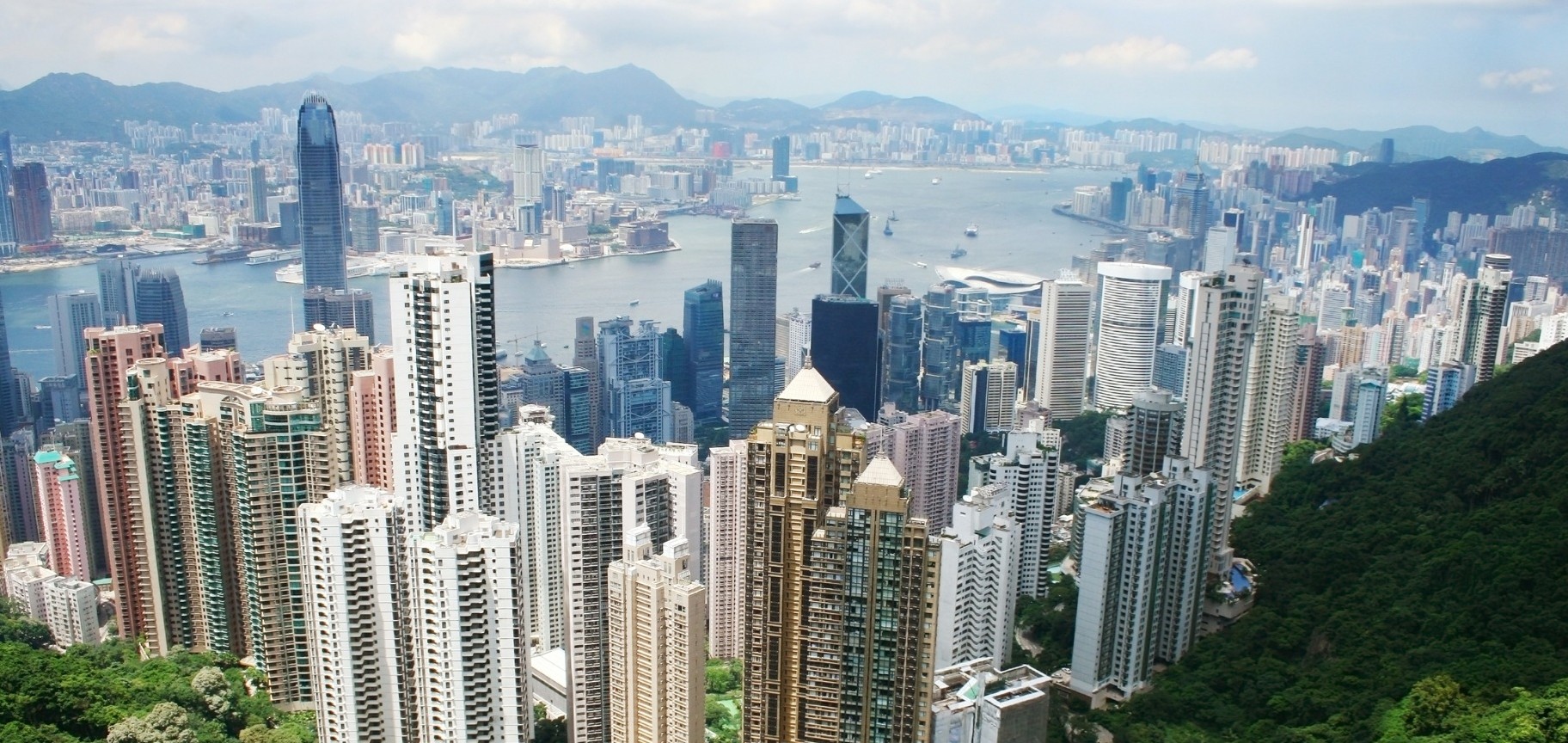
Hong Kong, 2 December 2025: Each month, I have the privilege of penning a column about life in Hong Kong. It’s a modest attempt to reflect the social, economic and cultural developments that shape this wonderful city, my adopted home since 1981. The positive feedback I receive sustains and inspires me to keep going.
November’s piece – about how the Greater Bay Area could bid for the 2036 Olympics – was actually a week later than planned due to a hectic period at work. Thus, it was only last Wednesday that I finished editing and pressed the “send” button – just as the first fire engines were racing towards a blaze that had broken out at a residential estate in Tai Po. You’re all aware of what ensued.
Hence, for once, an unscheduled missive. In writing this time, I offer no whimsy, puns, off-beat observations or wry anecdotes. There is no contrived introduction or punchline conclusion. I can only write from the heart, conveying my deepest sympathies to all those affected by the devastating fire and saluting the incredible efforts of the emergency services, government agencies, community workers and general public in the harrowing days that have followed.
Countless journalists, legal professionals, civil engineers, public health experts, risk consultants and the like have written with profound eloquence and authority on the tragedy and its immediate aftermath. In particular, given our firm’s long-standing close relationship with the Mission For Migrant Workers, those articles highlighting the sacrifices and heroic acts of domestic workers caught up in the tragedy have truly resonated with me. Amid so many words, what can I possibly add?
Perhaps just this: a plea for the citizens of Hong Kong to be safer in our homes. While this is a unique, vibrant and often magical city, our housing issues are well documented. Hong Kong regularly tops lists as the world’s most unaffordable housing market, meaning there is a shortage of adequate, reasonably priced accommodation for many residents. I’ve highlighted on numerous occasions the fact that some 220,000 people live in subdivided flats, tiny cubicles that often present health and fire safety hazards. Others live in even smaller cage homes. At Beijing’s insistence, our leaders are striving to eradicate such living conditions but, naturally, this will take years.
My colleague Alex Liu, a past chairman of the Appeal Tribunal Panel (Buildings Ordinance), has written with significant insight about unauthorised building works, illegal structures and rogue construction practices which, coupled with lax enforcement, render residential blocks and New Territories houses less secure. We know, as well, about a construction and renovation sector in sore need of reform; safety protocols and sound practices are flouted, profits are prioritised and the health and security of residents becomes an afterthought.
With these challenges in mind, city leader John Lee’s announcement of an independent review committee, chaired by a judge, to thoroughly investigate the Tai Po disaster and initiate “systematic reform” is a speedy and welcome development. We trust the authorities to use this opportunity to drive meaningful change in our city’s living conditions.
In closing, it is worth noting that, with considerable frequency, my guests on our firm’s Law & More podcast – whether living here or elsewhere – marvel at Hong Kong’s legendary resilience. It is true that, for almost two centuries, the good people of this city have displayed an amazing ability to bounce back in the face of social, economic and geopolitical pressures, fluctuations in fortunes and all manner of disasters.
Rest assured, dear readers, we will do so again.
Colin Cohen
Senior Partner
Boase Cohen & Collins